Shower Remodeling
Shower remodeling when the rest of the bathroom can stay
A shower remodel focuses on one zone: the walls, pan or tub base, valve and glass. It can be a good fit when the vanity and floor are in decent shape but the shower is leaking, dated or hard to clean.
The deciding question is usually whether the existing base stays. Keeping a sound tub or pan limits demolition; replacing it opens up drain and waterproofing work. Share a photo and a few details and we'll try to route the request to an independent professional.
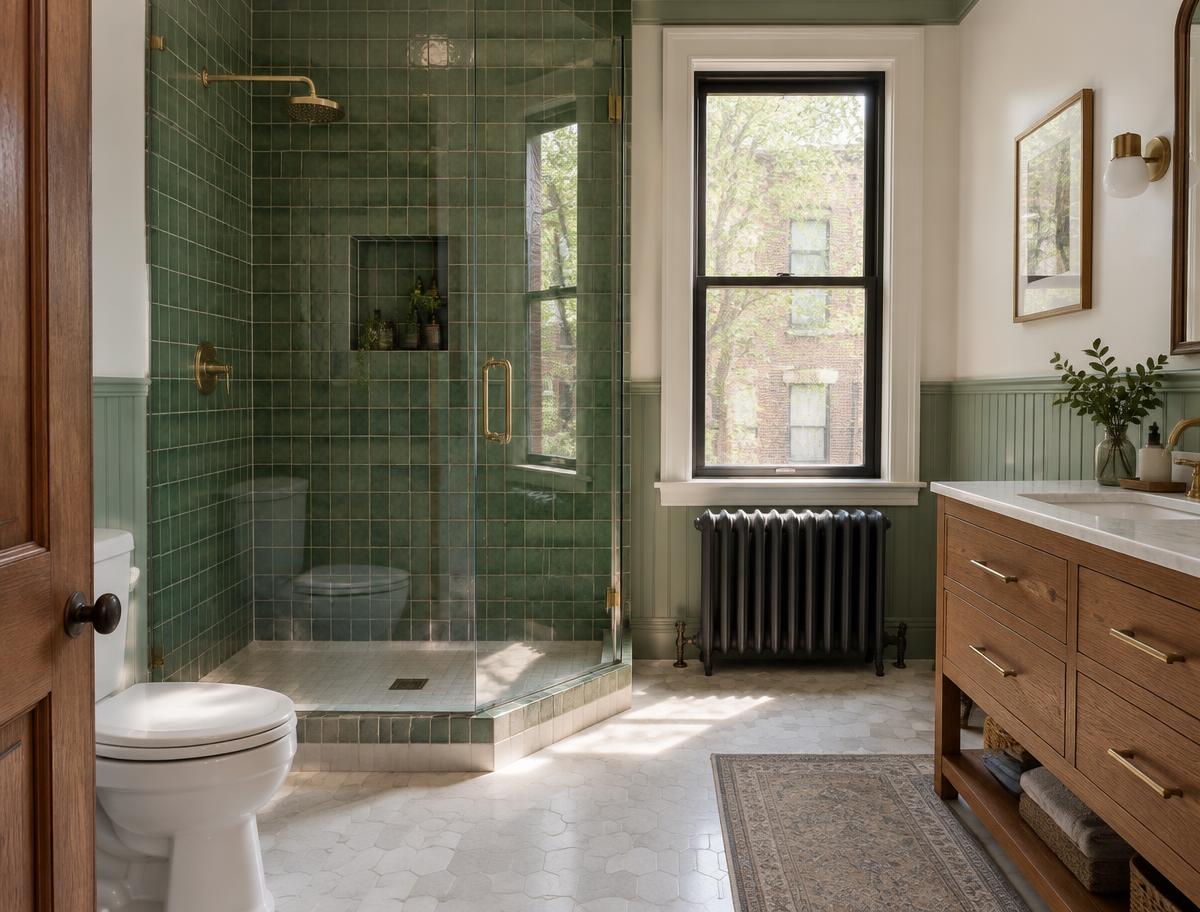
Illustration only, not a completed project.
Replace the valve while the wall is open
If tile is coming off, it's the cheapest moment to install a modern pressure-balancing or thermostatic valve. Swapping a valve later usually means cutting into finished tile or access from behind.
Tile, solid panels or a mix
Tile gives you the most design flexibility but depends heavily on the waterproofing beneath it. Solid-surface or composite panels have fewer grout lines and can install faster. Either can be a good choice; ask how the system behind it is built.
Glass and niches
Built-in niches need to be framed and waterproofed with the wall, not cut in after. Glass doors and panels are usually measured after tile is complete, so expect a gap in the schedule while they're fabricated.
Common questions
- Can new tile go over old tile?
- Sometimes it's physically possible, but it hides whatever condition the original waterproofing is in. Most professionals prefer to remove old tile in a wet area so the substrate can be inspected.
- Will I lose use of the bathroom?
- Usually for at least part of the project. If it's your only shower, ask contractors how they sequence the work.
Ready to talk through your bathroom?
Share a few details and we'll try to connect you with an independent remodeling professional, subject to availability.